Architectural styles and construction materials serve as the foundation on which our built environment stands, dictating not only the physical form but also the narrative of our structures. The intricate dance between historical traditions and modern innovations in architectural design creates a rich tapestry of possibilities, each thread contributing to the unique character of a building. As we explore the intricate relationship between styles and materials test sieve shaker, we uncover a world where the past meets the future, where creativity knows no bounds, and where the very essence of architecture evolves with each new creation.
Importance of Architectural Styles
Architectural styles play a crucial role in shaping the aesthetic appeal, functionality, and cultural significance of buildings, reflecting the societal values and design principles of their time. The choice of architectural style can evoke a sense of history sieve test for aggregate, modernity, tradition, or innovation, influencing how individuals interact with and perceive a structure. Whether it is the grandeur of Gothic cathedrals, the simplicity of minimalism, or the futuristic designs of contemporary architecture, each style communicates a distinct message to the viewer.
Moreover, architectural styles serve as a visual representation of cultural identity and heritage. By preserving and incorporating traditional architectural elements into modern structures, societies can maintain a connection to their roots while embracing technological advancements. This fusion of the old and the new creates a harmonious blend that celebrates the past while looking towards the future.
In essence, architectural styles are not just about aesthetics but also about storytelling. They narrate the evolution of design philosophies, societal norms, and technological progress, offering a glimpse into the collective aspirations and values of a civilization. The importance of architectural styles lies in their ability to transcend mere functionality and elevate buildings into symbols of creativity, innovation, and cultural identity.
Evolution of Construction Materials
Through centuries of innovation and experimentation, construction materials have undergone a profound evolution, reshaping the way buildings are designed, constructed, and perceived. The evolution of construction materials can be traced back to ancient times when civilizations used locally available resources like wood, mud, and stone. As societies advanced, so did the materials used in construction. The Industrial Revolution brought about significant changes with the mass production of materials like steel and concrete, revolutionizing the construction industry.
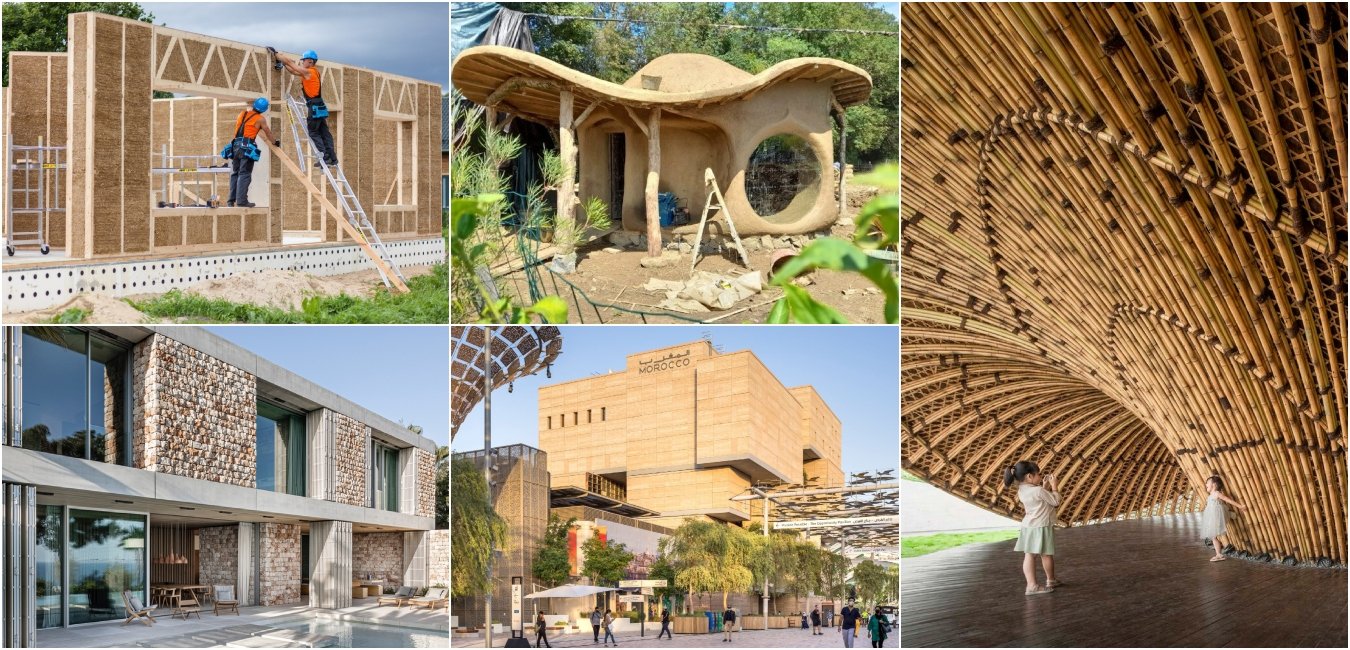
In recent decades, there has been a growing emphasis on sustainable and eco-friendly materials in response to environmental concerns. Materials such as bamboo, recycled steel, and engineered wood are gaining popularity for their sustainable properties. Additionally, advancements in technology have led to the development of innovative materials like aerogel, self-healing concrete, and transparent aluminum, pushing the boundaries of what is possible in construction.
The evolution of construction materials has not only expanded the possibilities in architectural design but has also played a pivotal role in shaping the way we build for a more sustainable future.
Traditional Architectural Styles
The evolution of construction materials over time has greatly influenced the development and preservation of traditional architectural styles. Traditional architectural styles are deeply rooted in the materials that were available and commonly used during specific periods in history. For example, the use of locally sourced stone and timber characterized many traditional styles, such as Colonial, Victorian, and Tudor architecture. These materials not only reflected the cultural and environmental context of the time but also contributed to the unique aesthetic appeal of each style.
Moreover, traditional architectural styles often showcase intricate craftsmanship and attention to detail, which were made possible by the specific construction materials employed. For instance, the use of ornate wood carvings in Victorian architecture or the intricate brickwork in Colonial buildings exemplifies the mastery and skill of artisans from bygone eras. The durability and longevity of these traditional structures also speak to the quality of the materials utilized, with many old buildings standing as testaments to the enduring legacy of traditional architectural styles.
Contemporary Construction Materials
In contemporary construction practices, the selection of innovative materials plays a pivotal role in shaping the design, functionality, and sustainability of modern architectural structures. One of the most notable trends in contemporary construction materials is the emphasis on sustainability. Architects and builders are increasingly turning to eco-friendly options such as recycled steel, bamboo, and engineered wood to reduce the environmental impact of construction.
Moreover, advancements in technology have led to the development of high-performance materials that offer enhanced durability and energy efficiency. Materials like ultra-high-performance concrete, fiber-reinforced polymers, and photovoltaic glass are revolutionizing the way buildings are designed and constructed. These materials not only improve the structural integrity of buildings but also contribute to their overall energy performance and longevity.
Additionally, the integration of smart materials, such as self-healing concrete and dynamic glass, is gaining traction in the construction industry. These materials have the ability to adapt to changing environmental conditions, improve indoor comfort, and reduce maintenance costs over time. Overall, the use of contemporary construction materials is pushing the boundaries of architectural innovation and sustainability in exciting new ways.
Fusion of Styles and Materials
An intriguing phenomenon in contemporary architecture is the seamless fusion of diverse architectural styles with innovative construction materials, creating a harmonious blend of tradition and modernity. This fusion allows architects to break free from the constraints of traditional norms and experiment with new combinations that push the boundaries of creativity. By incorporating elements from different styles, such as combining minimalist design with ornate details or mixing industrial materials with natural finishes, architects can create spaces that are truly unique and visually striking.
One notable example of this fusion is the use of steel and glass in traditional architectural styles like colonial or Victorian. This combination adds a modern touch to historic buildings while preserving their original charm. Additionally, the blending of sustainable materials like recycled wood or bamboo with contemporary designs showcases a commitment to environmental consciousness and innovation in construction practices.
Sustainable Building Practices
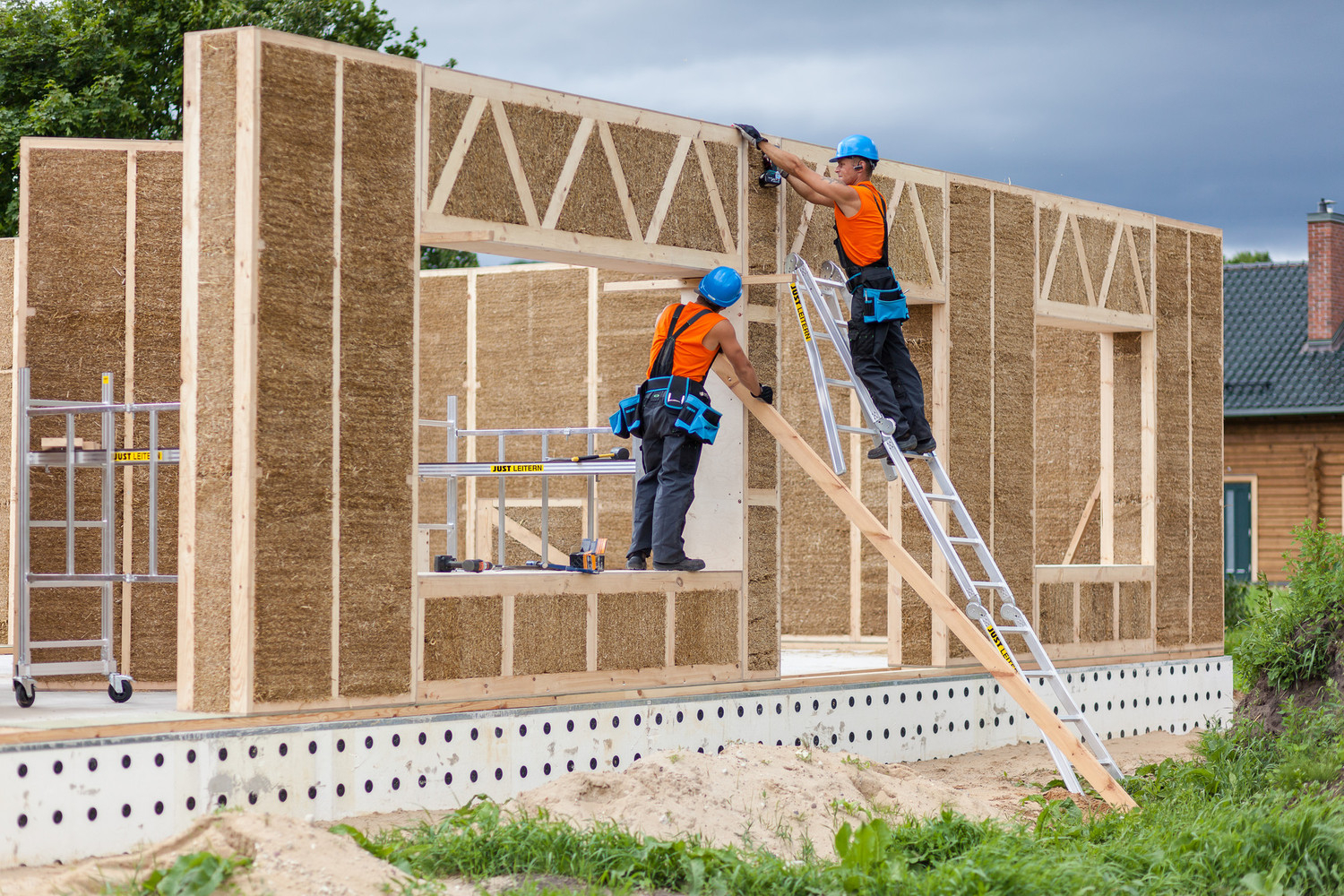
Sustainable building practices have become increasingly essential in the architecture and construction industry.
By utilizing eco-friendly materials and implementing energy-efficient design strategies, buildings can significantly reduce their environmental impact.
Embracing these practices not only benefits the planet but also promotes healthier and more sustainable living environments for occupants.
Eco-Friendly Materials
Utilizing eco-friendly materials in architectural design has become increasingly imperative in the pursuit of sustainable building practices. These materials, such as reclaimed wood, recycled metal, bamboo, and cork, offer numerous benefits. They reduce environmental impact by conserving natural resources, minimizing waste, and lowering carbon emissions.
Additionally, eco-friendly materials often have superior insulation properties, leading to increased energy efficiency and reduced operational costs over time. Architects and builders are increasingly incorporating these materials into their projects not only to meet green building standards but also to create healthier indoor environments for occupants.
Energy-Efficient Design
In the realm of modern architecture, achieving energy efficiency through strategic design practices is paramount for ensuring long-term sustainability and cost-effectiveness in building projects. Energy-efficient design focuses on reducing energy consumption, minimizing environmental impact, and maximizing occupant comfort.
Key strategies include proper insulation, passive solar design, efficient HVAC systems, and the use of renewable energy sources like solar panels or geothermal heating. Implementing these practices not only decreases operational costs but also reduces carbon emissions, making buildings more environmentally friendly.
Embracing energy-efficient design is not only a responsible choice but also a smart investment for the future, aligning with the global shift towards sustainability and energy conservation. By prioritizing energy efficiency in architectural projects, we can create spaces that are both environmentally conscious and economically advantageous.
Influential Factors in Design
An essential consideration in architectural design is the careful evaluation of influential factors that shape the ultimate form and function of a structure. These factors encompass a wide range of elements that architects must navigate to create successful designs.
Site conditions, such as topography, climate, and surrounding buildings, greatly influence design decisions. Understanding the cultural context ensures that the architecture resonates with its users and the community. Client preferences, whether focused on aesthetics, functionality, or specific needs, guide the architect in tailoring the design to meet those requirements. Budget constraints often necessitate creative solutions to achieve the desired outcome within financial limitations.
Additionally, a growing emphasis on environmental sustainability has become a crucial factor, leading to the integration of green technologies and materials into architectural designs. Balancing these influential factors is key to creating architecture that is not only aesthetically pleasing but also functional and sustainable for the future.
Future Trends in Architecture
The future of architecture is undeniably intertwined with sustainability, pushing the industry towards a focus on using sustainable building materials. This shift is driving innovative design approaches that prioritize functionality, aesthetics, and environmental impact.
Moreover, the integration of technology in architecture is poised to revolutionize the way buildings are designed, constructed, and operated, paving the way for a more efficient and interconnected built environment.
Sustainable Building Materials
Foreseeing a shift towards sustainability in architecture, the integration of innovative and eco-friendly building materials is becoming increasingly pivotal in shaping the future of construction practices. Sustainable building materials aim to minimize environmental impact while maximizing efficiency and durability.
Materials like bamboo, recycled steel, and reclaimed wood are gaining popularity for their renewable and low-carbon footprint properties. Additionally, advancements in technology have led to the development of materials such as self-healing concrete and aerogel insulation, offering enhanced performance and longevity.
Incorporating these sustainable materials not only reduces the ecological footprint of buildings but also contributes to healthier indoor environments. As the demand for sustainable practices grows, architects and builders are embracing these materials to create more environmentally conscious and resilient structures for the future.
Innovative Design Approaches
With the ever-evolving landscape of architecture, exploring innovative design approaches is paramount in shaping the future of the built environment.
One emerging trend is the integration of biophilic design, which seeks to reconnect buildings with nature, enhancing occupant well-being and environmental sustainability.
Another notable approach is adaptive reuse, repurposing existing structures to meet modern needs, promoting resource efficiency and preserving cultural heritage.
Additionally, parametric design tools are revolutionizing the way architects generate and optimize complex forms, pushing the boundaries of what is achievable in construction.
Technology Integration in Architecture
Advancements in technology are reshaping the architectural landscape, ushering in a new era of possibilities for integrating cutting-edge tools and methodologies into the design and construction processes.
From parametric design software to advanced building materials, technology integration in architecture is revolutionizing how structures are conceptualized, planned, and built.
Virtual reality and augmented reality are offering architects and clients the ability to visualize projects in real-time, fostering better communication and decision-making.
Additionally, Building Information Modeling (BIM) is streamlining the construction process, enhancing collaboration between different stakeholders and improving overall project efficiency.
As technology continues to evolve, the future of architecture holds exciting prospects for innovation, sustainability, and creativity. Architecture is no longer confined by traditional methods but rather propelled into a realm of endless possibilities.
Conclusion
In conclusion, the combination of architectural styles and construction materials plays a pivotal role in shaping the aesthetic appeal, functionality, and sustainability of buildings.
Traditional styles reflect historical craftsmanship and durability, while contemporary materials offer innovative and sustainable options.
The fusion of styles and materials allows for creative design possibilities, emphasizing the importance of sustainability and technological advancements in architecture.
As the industry continues to evolve, architects must consider these factors to create buildings that are both visually appealing and environmentally conscious.
…




![How To Install CCTV Cameras ? [ Easy With 7 Simple Steps]](https://highmarksecurity.com/wp-content/uploads/2018/12/How-To-Install-CCTV-Cameras-Step-by-Step-2.png)