
Discover essential tips for aiding your feline friend’s post-surgery recovery with insights from a reputable pet hospital.
From effective pain management strategies to creating a conducive healing environment, this article outlines key practices to ensure your cat’s swift and comfortable recuperation.
By following these professional recommendations veterinary hospital, you can support your pet’s recovery journey and promote their overall well-being during this critical period.
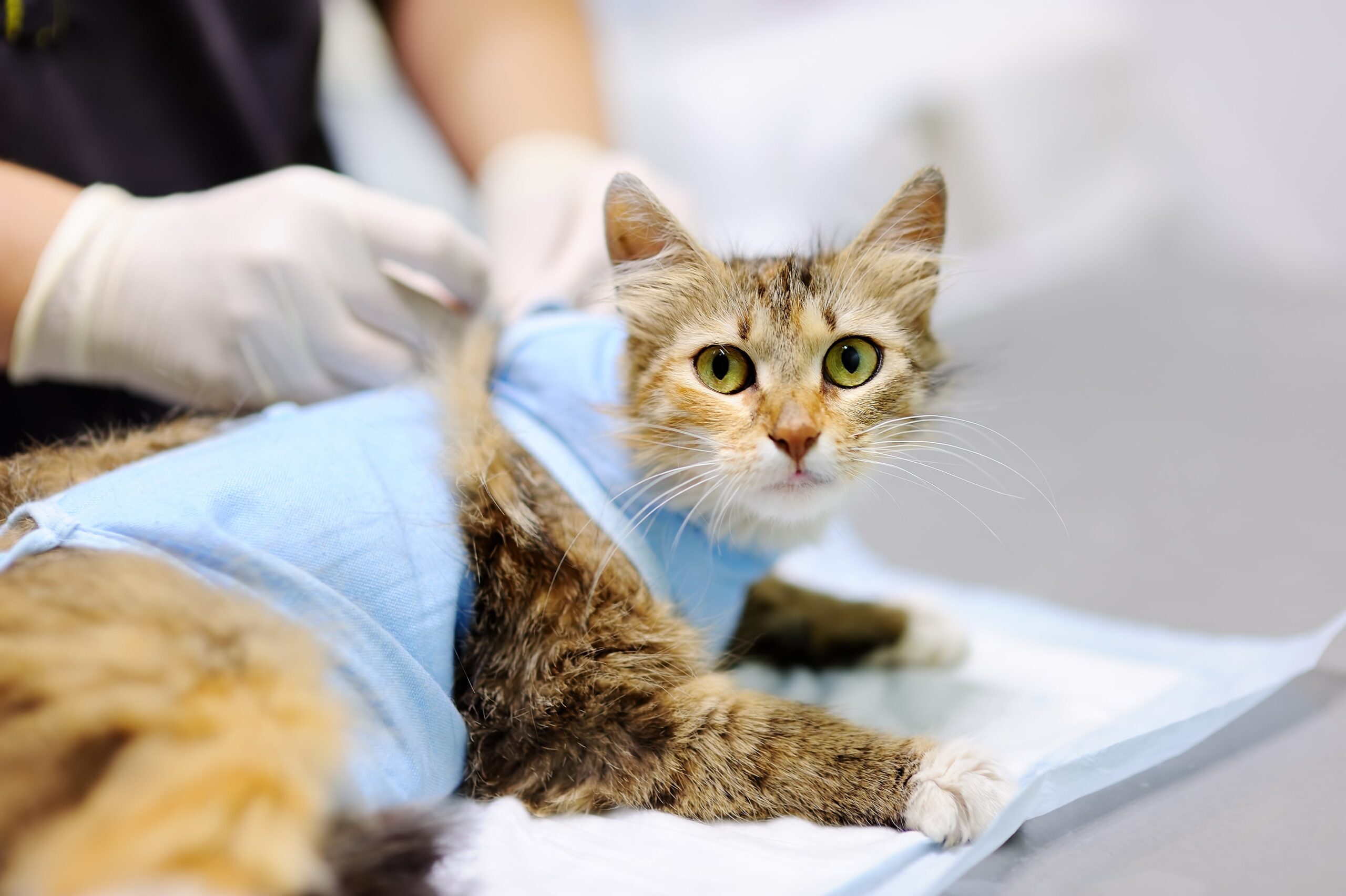
Pain Management Strategies
Regularly monitoring and adjusting pain medication is crucial in ensuring effective pain management for cats during their post-surgery recovery period. Cats, like humans, experience discomfort after surgery, and it is essential to address their pain promptly and appropriately.
Pain management strategies for cats may include the use of medications such as opioids, nonsteroidal anti-inflammatory drugs (NSAIDs), or local anesthetics. These medications can help alleviate pain and improve the overall well-being of the feline patient. However, it is vital to work closely with a veterinarian to determine the most suitable pain management plan for each individual cat, as dosages and medications may need to be adjusted based on the cat’s response and recovery progress.
Monitoring Stitches and Wounds
A critical aspect of post-surgery care for cats involves closely monitoring stitches and wounds to ensure proper healing and prevent complications. After your cat’s surgery, it’s essential to keep a close eye on the incision site.
Check the stitches or wound regularly for any signs of infection, such as increased redness, swelling, discharge, or warmth around the area. If you notice any concerning changes, contact your veterinarian immediately.
Ensure that your cat does not excessively lick or chew at the stitches, as this can lead to irritation or infection. To prevent this, you may need to use an Elizabethan collar to restrict access to the wound.
Proper monitoring of stitches and wounds plays a crucial role in your cat’s successful recovery.
Providing a Comfortable Recovery Environment
Creating a conducive recovery environment is essential for your cat’s post-surgery care.
Provide a quiet and cozy space for your feline friend to rest and recuperate. Ensure the area is warm, dry, and free from drafts. Keep other pets and loud noises away to minimize stress.
Consider setting up a comfortable bed or blanket for your cat to lie on. Monitor the room temperature to keep it within a comfortable range.
Additionally, make sure your cat has easy access to food, water, and a litter box nearby.
Encouraging Proper Nutrition and Hydration
For optimal recovery post-surgery, ensure that your cat receives adequate nutrition and hydration. Proper nutrition plays a crucial role in healing and helping your cat regain strength after surgery. Offer high-quality cat food that is easily digestible and rich in essential nutrients. Consult with your veterinarian for recommendations on specific diets or supplements that may aid in the recovery process.
Additionally, ensure that your cat has access to fresh water at all times to prevent dehydration, which is essential for overall health and healing. Encourage your cat to eat by providing small, frequent meals throughout the day. Monitoring your cat’s food and water intake closely can help ensure a smooth and successful recovery post-surgery.
Recognizing Signs of Complications
To detect potential complications post-surgery, vigilance is essential in observing any changes in your cat’s behavior, physical condition, or surgical site. Keep an eye out for signs such as excessive lethargy, loss of appetite, vomiting, diarrhea, or unusual swelling or discharge at the surgical site.
If your cat displays symptoms like increased pain, redness, or heat at the incision site, it could indicate an infection. Additionally, watch for behavioral changes like aggression, hiding, or vocalization, which might suggest discomfort or distress.
Any abnormality should prompt immediate contact with your veterinarian to prevent further complications. Early detection and intervention are crucial in ensuring a successful recovery for your feline companion.
Conclusion
In conclusion, it is important to follow pain management strategies during a cat’s surgery recovery. This involves administering any prescribed medications correctly and monitoring the cat’s comfort level closely. Additionally, monitoring stitches and wounds for any signs of infection or other issues is crucial for a successful recovery.
It is also essential to provide a comfortable recovery environment for the cat. This includes a quiet and warm space where the cat can rest undisturbed. Encouraging proper nutrition and hydration is another key aspect of the recovery process. Ensuring the cat is eating and drinking enough will help support their healing and overall well-being.
Lastly, it is important to recognize signs of complications during a cat’s surgery recovery. This includes monitoring for symptoms such as excessive swelling, bleeding, or unusual behavior. If any concerning signs arise, it is essential to contact the veterinarian promptly. By implementing these tips from a pet hospital, cat owners can help ensure a smooth and successful recovery process for their feline companions.


